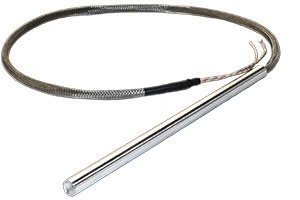
A production line can only move as fast as its equipment allows. Operators who work with mica band heaters know that these components are central to consistent output and product quality. Keeping them maintained does more than extend their lifespan—it improves efficiency across the board in ways that directly impact daily performance.
Faster Heat up Times That Improve Production Flow
Well-maintained mica band heaters respond quickly when called into action. Over time, dirt, residue, or loose connections can slow down thermal transfer, which leads to longer warm-up periods. By keeping the bands clean, checking electrical contacts, and inspecting for wear, heaters reach operating temperatures faster. This reduces idle machine time and allows production cycles to start without unnecessary delays.
These faster heat-up times translate to smoother workflow scheduling. Production managers can plan runs more confidently, knowing heaters won’t lag behind. In high-volume facilities, shaving even minutes off warm-up across shifts can compound into significant time savings, helping meet tight deadlines and increasing overall output.
Stable Operating Temperatures That Reduce Quality Variations
Temperature swings are a hidden drain on quality control. If a mica band heater isn’t properly maintained, hot spots and uneven heat distribution can creep in. This results in inconsistent product dimensions, weak welds, or surface flaws on molded or extruded materials. Regular inspection and recalibration keep heating surfaces balanced, ensuring uniform performance every run.
Consistency in temperature directly impacts repeatability, which is critical for industries where tolerances are strict. Whether producing packaging film, plastic fittings, or extruded profiles, stable heaters mean fewer rejected parts and less wasted material. A well-maintained mica band doesn’t just keep equipment warm—it ensures production quality stays predictable.
Lower Energy Draw from Heaters Running at Peak Condition
A neglected heater often works harder than it should. Dust build-up, poor contact with machine surfaces, or deteriorating insulation forces mica band heaters to consume more energy just to maintain setpoints. Keeping them clean and properly tightened reduces resistance and improves thermal efficiency, cutting energy use.
For facilities operating dozens of heaters, the energy savings add up. Lower electrical draw reduces operating costs without sacrificing performance, helping keep budgets under control. Routine maintenance ensures heaters operate at peak condition, so they heat smarter rather than harder.
Longer Heater Service Life That Prevents Sudden Shutdowns
Every unplanned shutdown costs both time and money. A neglected heater is far more likely to fail suddenly, leaving a machine cold and a line idle. Regular maintenance extends the service life of mica band heaters by catching small issues before they grow into failures. Checking for insulation cracks, tightening connections, and replacing worn-out bands prevents unexpected breakdowns.
Extending service life means fewer emergency purchases and less downtime spent waiting on replacements. Production teams can better predict heater lifecycles, schedule replacements in advance, and avoid costly disruptions. A steady rhythm of preventive care keeps heaters working longer, which stabilizes overall operations.
Consistent Surface Finish on Molded and Extruded Products
The finish of a molded or extruded product often comes down to how consistent the heat was applied during processing. Uneven temperatures caused by poorly maintained mica band heaters can create streaks, bubbles, or dull patches on final products. Regular upkeep ensures heaters provide even coverage, leading to clean finishes that meet customer expectations.
This consistency enhances product reputation and reduces waste. Buyers notice when the finish is smooth and uniform, especially in industries where aesthetics matter as much as performance. With well-maintained mica bands, companies can maintain higher quality standards while minimizing costly rework.
Reduced Downtime from Fewer Unplanned Heater Replacements
Few things interrupt a production line more abruptly than having to swap out a failed heater mid-run. By keeping mica band heaters in peak shape, facilities reduce the likelihood of mid-shift breakdowns. Proactive inspection spots issues like frayed leads or warped bands before they result in total failure.
With fewer emergency replacements, technicians spend less time scrambling and more time keeping machines running. Predictable equipment schedules mean smoother production flow and better resource management. Maintenance not only prevents failures but also keeps downtime to an absolute minimum.
Smoother Machine Cycles That Keep Daily Output Steady
Machines that rely on heaters cycle more smoothly when those heaters are reliable. Poorly maintained mica band heaters can cause uneven heating, forcing machines to pause or slow down to recalibrate temperatures. Well-maintained heaters, by contrast, keep cycles predictable, which allows production to flow at a steady pace.
A steady rhythm improves overall efficiency. Operators can keep equipment running without constant adjustments, and the production schedule remains on track. The daily gains may look small in isolation, but across weeks or months, the stability of smooth machine cycles results in significantly higher output.
Improved Safety from Heaters Running Within Proper Limits
A heater operating outside its intended range can pose risks to both equipment and workers. Overheating, electrical shorts, or exposed wires can occur if maintenance is ignored. By keeping mica band heaters inspected and within proper operating limits, facilities protect staff and machinery alike.
Routine checks also ensure compliance with workplace safety standards. Well-maintained heaters are less likely to trigger accidents or unexpected hazards, creating a safer environment overall. Prioritizing heater maintenance doesn’t just improve performance—it helps safeguard everyone who works alongside the machines.