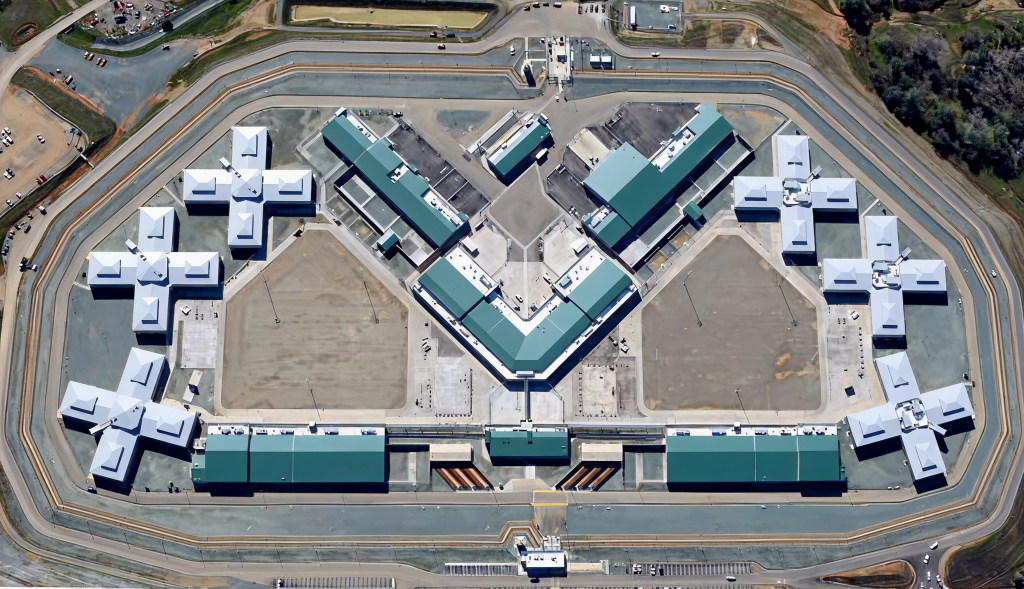
Secure environments depend on equipment designed for safety, durability, and controlled access. Door systems inside detention facilities must perform under constant use while meeting strict operational standards. Custom Cornerstone detention center doors are built to match these demands by aligning with the exact needs of each housing area.
Built to Match Strict Security Levels Across Each Housing Area
Different sections within detention facilities require varying levels of security. Housing units, intake areas, and administrative zones often operate under different control protocols. Custom door systems allow each section to meet its required level of containment and supervision. Security planning often begins with evaluating movement patterns and access restrictions. Cornerstone detention equipment contractors design door configurations that reflect how each space functions. This approach ensures that every area receives the correct balance of access control and safety.
Sized to Fit Exact Openings Without Field Adjustments
Accurate sizing plays a major role in how detention doors perform over time. Gaps or improper fits can affect both security and durability. Custom fabrication allows doors to match precise opening dimensions without requiring field modifications. Exact measurements reduce installation issues and improve long term reliability. Cornerstone prison supply manufacturers often produce door systems tailored to each project’s specifications. Proper fit helps maintain structural integrity and secure operation.
Reinforced Frames Handle Constant Use in High Traffic Zones
Frequent use places significant stress on door frames in detention environments. Reinforced framing systems help maintain alignment even under repeated opening and closing cycles. Strength in these areas supports long term performance in high traffic locations. Heavy duty construction reduces the risk of structural fatigue. Cornerstone security detention equipment contractor teams design frames to withstand daily use without losing stability. Durable frames support consistent operation across demanding conditions.
Locking Systems Match Each Facility’s Control Setup
Control systems vary depending on how a facility manages movement and access. Some areas require centralized control, while others rely on local locking mechanisms. Custom door systems allow locking components to match these operational requirements.
Integrated locking solutions improve coordination between doors and control systems. Cornerstone detention center doors can be equipped with hardware that aligns with electronic or manual controls. Proper integration helps staff manage access efficiently.
Door Strength Meets Impact and Tamper Resistance Needs
Detention environments require materials that resist both impact and tampering. Door construction must prevent damage while maintaining secure containment. Strong materials help ensure that doors continue to function as intended under stress.
Testing standards often guide how these doors are built. Cornerstone detention equipment contractors use reinforced steel and secure hardware to meet performance requirements. Durable construction supports safety and long term reliability.
Designed to Work with Existing Wall and Hardware Layouts
Facilities often include existing structures that must remain in place during upgrades. Custom door systems can be designed to align with current wall layouts and hardware configurations. This approach reduces the need for major structural changes.
Compatibility with existing components helps streamline installation. Cornerstone security detention equipment contractor teams evaluate current conditions before designing door systems. Proper alignment ensures that new doors integrate smoothly into the facility.
Finish Options Resist Wear in Tough Daily Conditions
Surface finishes affect how well doors withstand daily use. Scratches, moisture, and cleaning chemicals can wear down standard materials over time. Specialized finishes help protect door surfaces from damage.
Protective coatings extend the life of detention equipment. Cornerstone prison supply manufacturers offer finishes designed to resist corrosion and surface wear. Durable finishes help maintain both appearance and performance.
Openings Allow Clear Staff Visibility When Required
Visibility plays an important role in maintaining safety within detention areas. Observation panels or openings allow staff to monitor activity without opening doors. These features support supervision while maintaining secure separation.
Design choices depend on the level of visibility required in each area. Cornerstone detention center doors can include viewing panels positioned for effective observation. Clear visibility helps staff respond quickly to situations inside housing units.
Built to Meet Codes Set for Detention Environments
Detention facilities must comply with strict building and safety codes. Door systems are required to meet standards related to strength, fire resistance, and secure operation. Compliance ensures that facilities operate within regulatory guidelines. Code requirements influence both design and installation processes. Cornerstone detention equipment contractors follow established standards during fabrication and setup. Meeting these requirements helps maintain safety and regulatory approval.
Secure facility design often depends on equipment that meets both operational and regulatory demands. Cornerstone provides custom solutions through experienced Cornerstone detention equipment contractors who understand the unique requirements of detention environments. Their team offers detention center doors built for strength, proper fit, and long term durability across modular jails and traditional facilities. Projects that require reliable systems often benefit from working with Cornerstone prison supply manufacturers focused on safety, performance, and precise design