Water dripping behind a gutter instead of flowing into it is often a sign that something is wrong with its position. Even a new gutter system can cause drainage problems if installers place it too far from the roof edge or at the wrong height. These small placement errors can eventually lead to damaged siding, rotting fascia boards, and moisture problems around the foundation.
Gutters Installed Too Far Below the Roof Edge
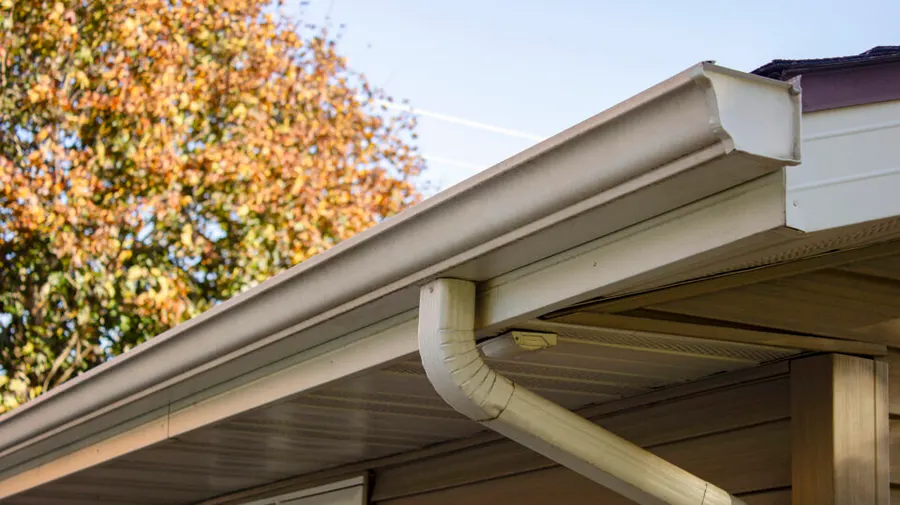
A gutter must sit close enough to the roof edge to catch water as it leaves the shingles. If installers mount it too low, runoff can travel over the front edge without entering the channel, especially on steep roofs. Strong rainfall makes this problem more noticeable because water leaves the roof with greater speed. Homeowners may see streams falling directly onto walkways or landscaping even though the gutters appear clean and undamaged. Proper rain gutter installation accounts for roof pitch, shingle overhang, and the direction water travels.
The opposite problem occurs when gutters sit too high. Their back edges may interfere with the roof covering or create areas where debris collects. Incorrect positioning can also make the gutter more vulnerable to sliding snow or ice in colder climates. Installers should follow roofing and gutter manufacturer guidelines to determine a suitable height without interfering with the shingles.
Poor Alignment Sends Water Behind the Fascia
Rainwater can slip between the gutter and the fascia board when installers leave a gap along the roof edge. This often happens when the gutter sits too far outward or the roof lacks suitable drip-edge flashing. Instead of entering the gutter, water follows the underside of the roof covering and reaches the wood behind it. Repeated exposure can cause paint to peel, soften fascia boards, and damage soffits. A professional gutter company should inspect the drip edge and roofline before installation because moving the gutter alone may not correct water that follows the wrong path.
An Incorrect Slope Creates Drainage Trouble
Gutters depend on a gradual slope to move rainwater toward the downspouts. Sections with an uneven pitch may collect standing water in low spots, even after a light shower. This moisture encourages sediment buildup and can make gutters sag as leaves and debris accumulate. A backward slope creates an even bigger problem by directing runoff away from the intended outlet. Homeowners searching for gutter companies near me should ask how installers measure gutter pitch and check for low areas before finishing the job.
Long gutter runs require particular attention because slight positioning errors can become more noticeable across the full length. Installers sometimes need to divide drainage between outlets at opposite ends rather than directing all the water toward one downspout. Correct gutter installation also involves checking hanger positions so the gutter maintains its intended slope after filling with water.
Downspouts Placed in the Wrong Areas
The location of a downspout matters just as much as the gutter itself. An outlet positioned far from the areas receiving the heaviest roof runoff may allow water to back up during storms. Roof valleys are common trouble spots because they concentrate drainage from adjoining slopes. Adding an outlet closer to these areas can improve water movement, provided the gutter and downspout sizes support the expected flow.
Discharging rainwater in the wrong location creates another set of problems. Downspouts that empty beside the foundation can saturate nearby soil, while outlets facing walkways may cause puddles and slippery surfaces. Homeowners comparing gutter installation near me services should look for contractors who assess yard grading, drainage paths, and safe discharge locations before deciding where downspouts belong.
Why the Roof Shape Should Guide Gutter Placement
Roof designs with dormers, multiple valleys, and changing slopes need more careful gutter positioning than simple rooflines. Short roof sections can send concentrated water onto lower surfaces, creating overflow where two drainage paths meet. Splash guards may help at certain corners, but they cannot compensate for poor gutter alignment or inadequate capacity. A rain gutter installation near me search can help homeowners find installers familiar with these roof layouts and the placement adjustments they require.
Correcting Placement Problems Before Water Damage Spreads
Gutter position deserves attention whenever homeowners notice water running behind the fascia, overflowing near corners, or collecting beside the house. Water spilling behind gutters or pooling near the foundation may point to a placement problem that needs more than a simple repair. Apollo Roofing can help identify what is causing poor drainage. Through gutter inspections, repairs, and professional installation, the company can address improper alignment, downspout placement, and other issues that prevent rainwater from draining safely away from the house.